
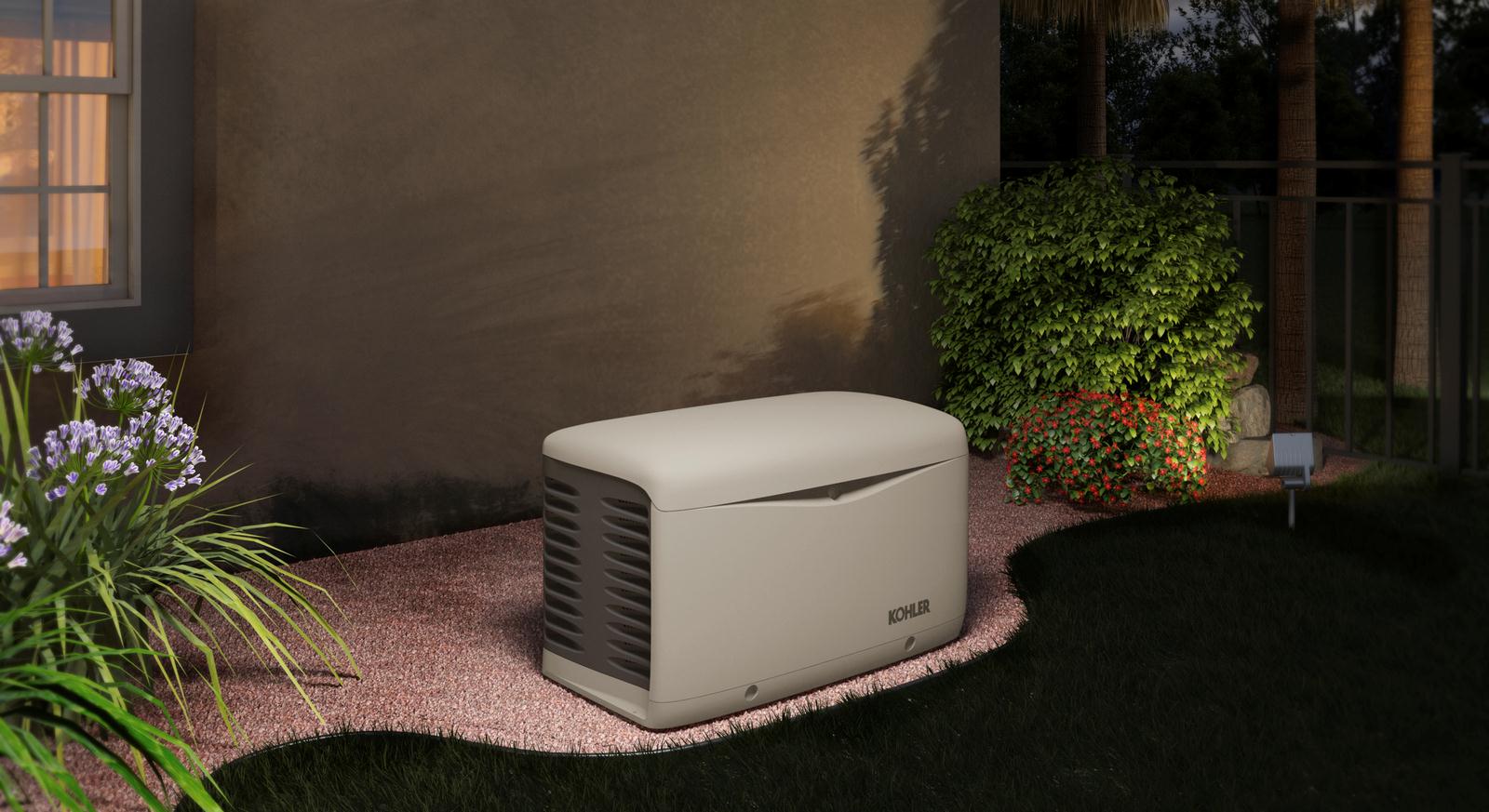
Do You Need a Standby Generator in Florida?
Do You Need a Standby Generator in Florida?
Florida's hurricane season runs June through November. Extended power outages are not a question of if but when. Here's how to think through whether a whole-home standby generator makes sense for your household.
What Happens During an Extended Outage
Without power, your AC stops within minutes. Food spoils within hours. Medical equipment stops. Security systems go offline. For families with elderly members, young children, or medical needs, extended outages can be genuinely dangerous.
Portable vs. Standby
Portable generators provide partial power but require manual setup, run on gasoline (unavailable at many stations after a major storm), and can only power a fraction of your home's systems. A whole-home standby generator starts automatically within 10 seconds of an outage and powers your entire home from your natural gas or propane supply.
The Real Cost Calculation
A whole-home generator is an investment. But consider: one hurricane season without power for a week typically costs $200-300+ in lost food, potential hotel stays, and the intangible cost of a week without AC in Florida heat. Many homeowners find the break-even point arrives quickly.
Air & Energy Is Manatee County's Kohler Titanium Dealer
Learn more about Kohler generator installation or call (941) 778-0773. Most installations completed in one to two days.
See Air & Energy's complete hurricane preparation guide for Manatee County homeowners.